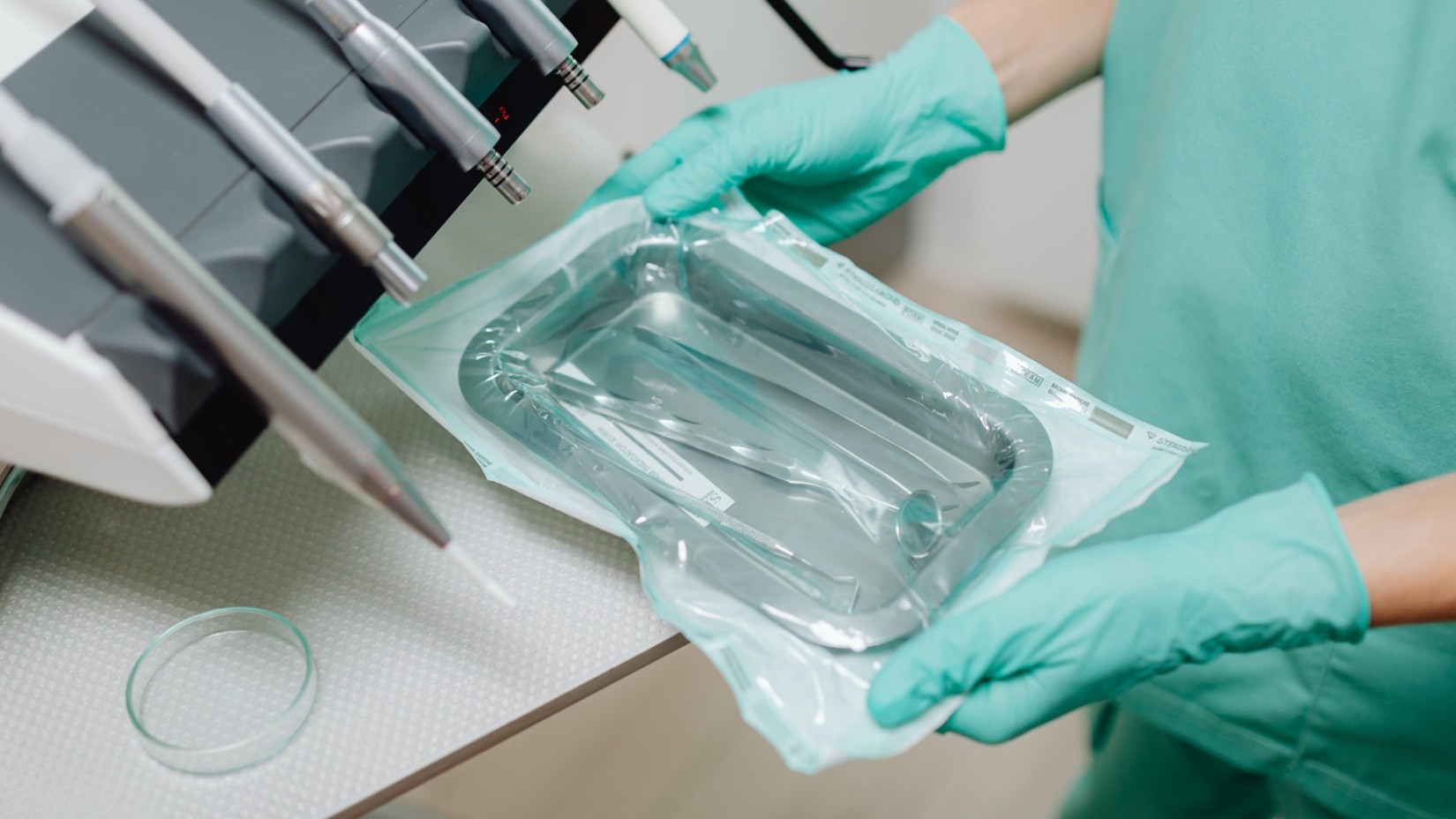
Most molded parts aren’t finished when they leave the press. They’re close. But not ready.
A housing might need welding. A cosmetic surface might need hot stamping. A component may require assembly before it’s functional. That’s where injection molding secondary operations in Irvine come into play.
Secondary work is what turns a molded piece of plastic into a usable product. And if it’s handled poorly, even a perfectly molded part can fail in the field.
- What Counts as a Secondary Operation?
- Welding and Structural Integrity
- Branding and Surface Finishing
- Assembly Reduces Downstream Work
- Why Secondary Operations Should Stay Close to Molding
- Quality Control During Secondary Work
- Volume Changes How Secondary Work Is Managed
- Secondary Operations in Regulated Industries
- What to Ask Before Choosing a Partner
- Why It All Matters
- FAQs
What Counts as a Secondary Operation?
Secondary operations include anything that happens after the molding cycle ends.
That can mean:
- Sonic welding
- Hot stamping
- Pad printing
- Assembly
- Insert installation
- Trimming or finishing
Facilities experienced in injection molding secondary assembly in Irvine treat these steps as structured processes, not afterthoughts. The mold creates the form. Secondary work creates function.
Welding and Structural Integrity
Sonic welding is common for plastic enclosures that must seal tightly or hold internal components securely. Teams offering sonic welding in Irvine understand weld energy settings, joint design, and material compatibility.
Too little energy creates weak bonds. Too much energy causes deformation. Proper weld setup ensures parts hold up under vibration, drop stress, and long-term use. A strong secondary process protects structural integrity just as much as good molding.
Branding and Surface Finishing
Many parts require logos, markings, or identification labels. Experience in hot stamping in Irvine ensures that decorative or functional markings adhere correctly and remain legible over time.
Medical devices, electronics, and consumer products often require consistent labeling across production batches.
Poor surface preparation or uneven application can cause flaking, fading, or misalignment. Secondary finishing is about precision as much as appearances.
Assembly Reduces Downstream Work
Some manufacturers ship individual molded parts and leave assembly to someone else. Others handle assembly in-house.
Companies structured around Irvine injection molding secondary assembly reduce the need for multiple vendors. That simplifies logistics. It also reduces the chance of misaligned components or missing hardware during final builds.
When assembly is integrated with molding and finishing, quality checks can be performed at each step instead of after everything is shipped.
Why Secondary Operations Should Stay Close to Molding
Splitting molding and finishing between separate vendors creates risk. Parts may be damaged in transit. Tolerances may shift. Responsibility becomes unclear if defects appear.
Facilities experienced in Irvine injection molding secondary operations keep processes under one roof whenever possible. That alignment protects consistency.
If a weld fails or a stamped mark misaligns, engineers can evaluate both the molded geometry and the secondary setup immediately. Shorter feedback loops lead to faster corrections.
Quality Control During Secondary Work
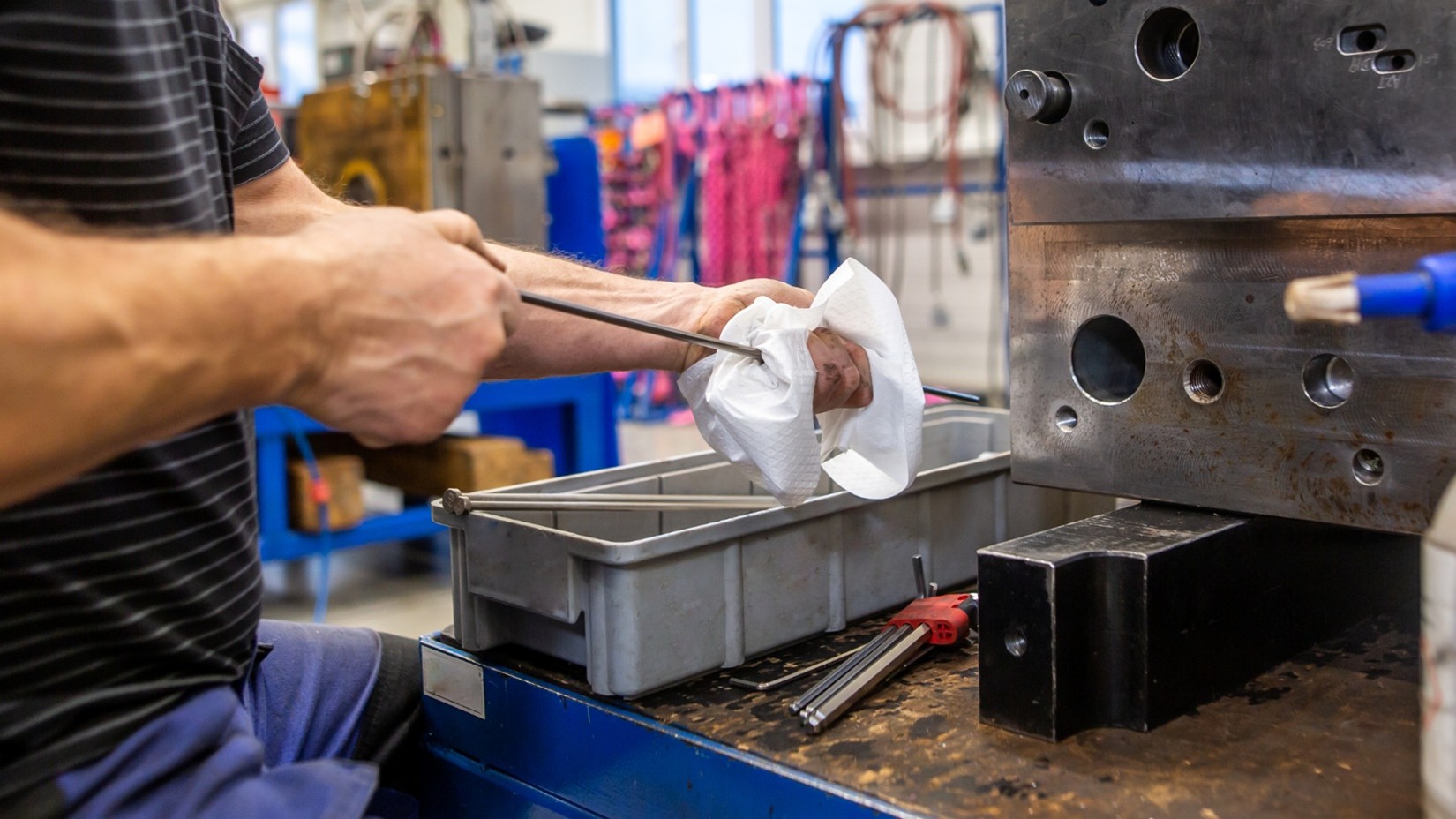
Secondary operations introduce new variables. Heat from welding. Pressure during assembly. Alignment during stamping. Each step must be documented and monitored.
Teams performing injection molding secondary operations in Irvine establish inspection criteria specific to each process. Weld strength tests. Visual inspections. Adhesion checks.
Without that oversight, secondary work becomes the weak link in production.
Volume Changes How Secondary Work Is Managed
Low-volume projects may rely on manual finishing. Higher-volume production requires fixtures, automation, and repeatable setups.
Facilities experienced in injection molding secondary operations in Irvine understand how to scale these processes without losing precision.
Jigs are built to maintain alignment. Weld parameters are standardized. Assembly steps are documented. Scaling isn’t about speed alone. It’s about maintaining quality as quantities increase.
Secondary Operations in Regulated Industries
Medical, aerospace, and electronics products demand more documentation. Assembly procedures must be traceable. Welding parameters must be recorded. Finished parts may require inspection logs.
Secondary operations in regulated industries aren’t casual add-ons. They’re controlled production stages. An experienced team treats welding, stamping, and assembly with the same discipline as molding itself.
What to Ask Before Choosing a Partner
If your product requires post-molding work, ask:
- Are welding parameters documented and validated?
- Is secondary assembly handled in-house?
- What inspection procedures exist for finishing steps?
- Can processes scale as production grows?
A strong injection molding partner won’t treat these as side services. They’ll treat them as part of the manufacturing plan.
Why It All Matters
A molded part can be dimensionally perfect and still fail after secondary processing. A weak weld splits under stress. A misaligned assembly creates strain. A faded marking affects usability.
Injection molding secondary operations in Irvine bridge the gap between molded form and finished function. When done right, they disappear into the final product. When done wrong, they show up fast. That difference defines long-term reliability.
FAQs
What are secondary operations in injection molding?
Secondary operations include welding, stamping, assembly, trimming, and any finishing work performed after the molding cycle.
Why not send molded parts to a separate finishing vendor?
Keeping molding and secondary work under one roof reduces damage, improves communication, and shortens correction time.
Is sonic welding stronger than adhesives?
When properly configured, sonic welding creates consistent bonds without introducing additional materials that may degrade over time.
Are you looking for premium medical supplies or equipment? If so, LeVic Plastics is the only place to go. Our team of experts provides the most superb quality and quickest production runs.
At LeVic Plastics, we have the personnel, knowledge, and tools to help with your upcoming project. We would be delighted to help with any next project.
We are based in Grandview, Missouri, which is just outside the Kansas City region.
Click here for a free quote to get going.
We hope to hear from you soon!